
The evolution of real estate in India has entered an unprecedented era of sophistication, where unbranded concrete developments are swiftly making way for institutionalized, hospitality-led branded living. In **Episode 05 of Whiteland Corporation’s 'Beyond Insights' series**, industry leader **Mr. Nandivardhan Jain, Managing Director of Noesis Group**, sat down for a candid, comprehensive discussion on the meteoric rise of branded residences, focusing heavily on landmark developments like Whiteland Westin Residences in Gurugram.
This in-depth analysis breaks down the core takeaways from their dialogue, examining the economic mathematics of branded living, the four crucial stakeholders in luxury real estate, structural transparency, and why per-capita income milestones are projected to trigger a 5x surge in the branded residential segment across India.
1. The Economics of Hospitality-Led Living & The "Money Value of Time"
The concept of branded residences originated nearly two and a half decades ago in the United States, where luxury hospitality operators combined resort operations with residential towers. As Mr. Jain highlighted during the episode, this model succeeds because it addresses a fundamental modern constraint: the **money value of time**.
When high-net-worth individuals, entrepreneurs, and corporate leaders calculate the financial value of their working hours, delegating everyday household management, concierge requests, security, and property upkeep to an international hospitality operator like Marriott International yields massive economic and mental dividends.
- Frictionless Daily Household Management: Residents enjoy 24/7 concierge support, in-residence dining, private chefs, and personalized housekeeping.
- Reclaimed Mental Bandwidth: Freeing families from operational chores allows them to redirect their energy toward professional growth and quality family time.
- Generational Asset Security: Branded residences function seamlessly as generational assets that pass down security and luxury convenience to future heirs.
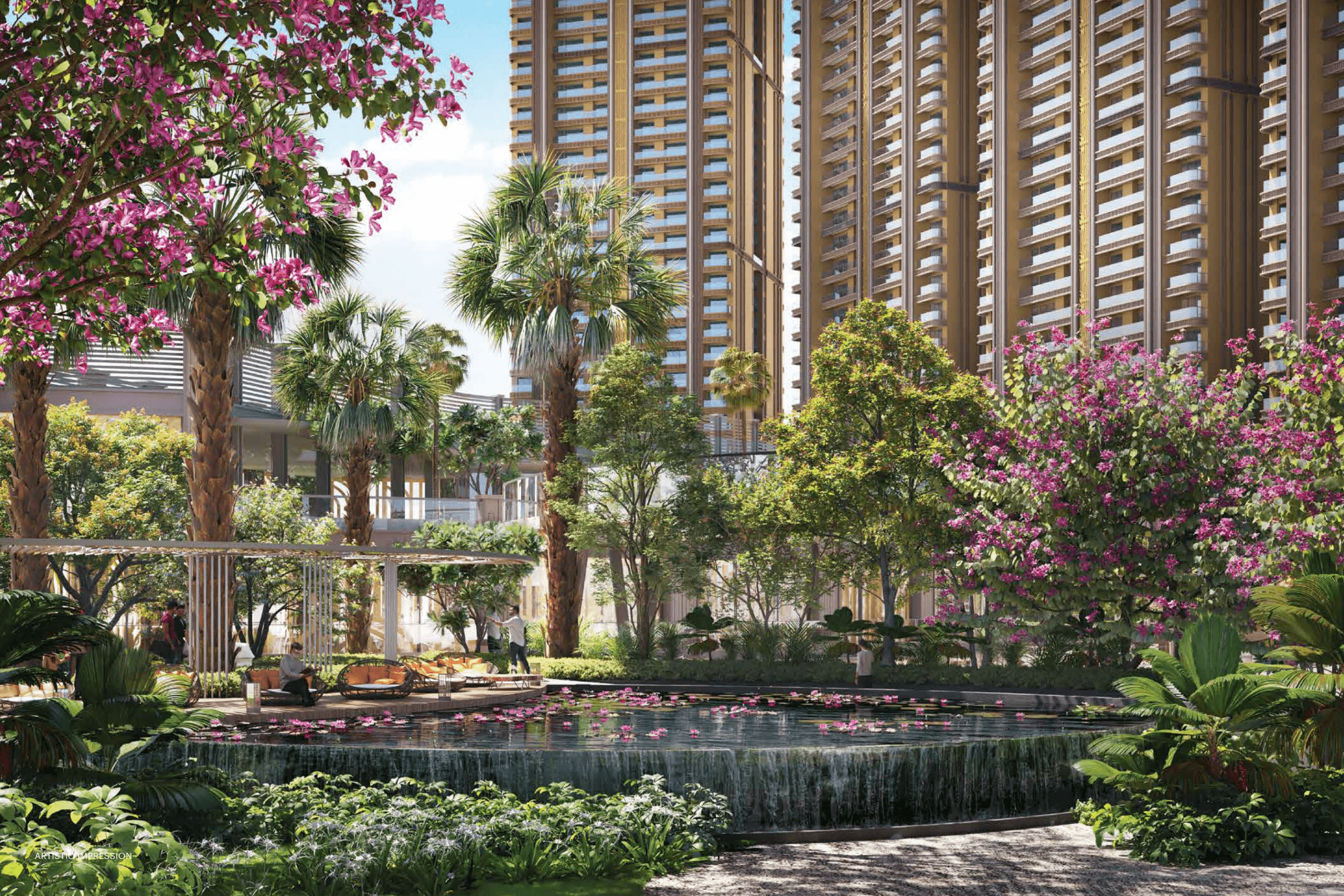
2. Decoding the Four Stakeholders in Branded Real Estate
A frequent question among investors is how branded alliances function behind the scenes. Mr. Jain masterfully categorized the branded real estate universe into **four distinct stakeholders**, each with unique motivations:
- The Real Estate Developer: Tasked with acquiring land, securing regulatory approvals, deploying capital, and executing construction. By partnering with a global brand, developers can command a premium of **25% to 40%** over unbranded counterparts.
- The Homebuyer: Consumers pay a premium because a branded project undergoes rigorous legal and technical due diligence by the brand, making it one of the safest forms of real estate investment.
- The Global Brand: For hospitality giants like Marriott, commercial revenues are secondary. Their primary objective is the long-term protection and safety of their brand legacy, resulting in strict quality audits.
- The Capital Provider / Institutional Banker: Financial institutions and private equity players heavily favor branded alliances because brand-backed projects offer greater sales velocity and predictable financial projections.
3. Market Growth Projections: The Upcoming 5X Surge in India
Analyzing macro indicators, Mr. Jain drew fascinating parallels between India's current economic trajectory and China's growth curve in the late 2000s. As India’s per-capita income transitions from the $3,000 mark toward $4,500 over the next few years, demand for experience-led products—including aviation, premium healthcare, luxury goods, and branded real estate—is projected to multiply by **5x**.
Currently, India hosts around 43 branded residential projects across various stages of delivery. However, with massive institutional supply entering Delhi-NCR, Mumbai, Pune, and Hyderabad, the market value of branded real estate supply is scaling rapidly past ₹1 lakh crore. You can explore the overarching vision and leadership guiding these developments on the Whiteland About Us page.

4. Behind the Scenes: The Soul of the Project & Design Lab Transparency
One of the standout highlights of Episode 05 was the discussion surrounding Whiteland’s pioneering **Design Lab**. Transparency in real estate development has historically been limited; however, Whiteland’s approach breaks the mold by showcasing everything that goes on behind the walls long before handover.
- Corrosion-Resistant Structural Steel: Utilization of high-grade steel and engineering provisions designed to withstand extreme climate fluctuations and ensure a 100-year structural lifespan.
- Facade & Stone Durability: Rigorous laboratory testing of stones and facade anchor systems to withstand weathering and structural load.
- Engineering Confidence: Giving buyers physical visibility into the raw materials and mechanical services builds a 10x multiplier in customer trust.
5. Dwarka Expressway Corridor & Asset Protection
Discussing the Dwarka Expressway corridor, Mr. Jain emphasized that accessibility and physical execution visibility are paramount. Without the Marriott and Westin alliance, pricing power for developments in this micro-market would be considerably lower. Instead, the combination of premium build quality, 30-year operational commitments, and multi-layered resort-grade security provides ultimate asset protection and generational peace of mind.

Explore Whiteland Westin Residences Today
Discover luxury living backed by Marriott International management and exceptional design.
Call Sales Desk: +91 9911 001 444Conclusion
As highlighted in Episode 05 of Beyond Insights, branded residences represent the pinnacle of modern real estate investment—combining asset protection, predictable growth, and frictionless hospitality-led living. For buyers looking to secure a generational asset along Gurgaon's elite corridors, properties like Whiteland Westin Residences set an unmatched benchmark.